August 17, 2026
Choosing the right general contractor is crucial for the success of your construction project. This decision can significantly impact not only the timeline of your project but also its overall quality and cost. Whether you're constructing a new home, renovating an existing space, or managing a large commercial build, making an informed choice is imperative. Let's take a look at a few essential steps to take and factors to consider, ensuring your decision leads to a smooth and satisfactory building process.
Understanding Your Project Needs
Define Project Scope
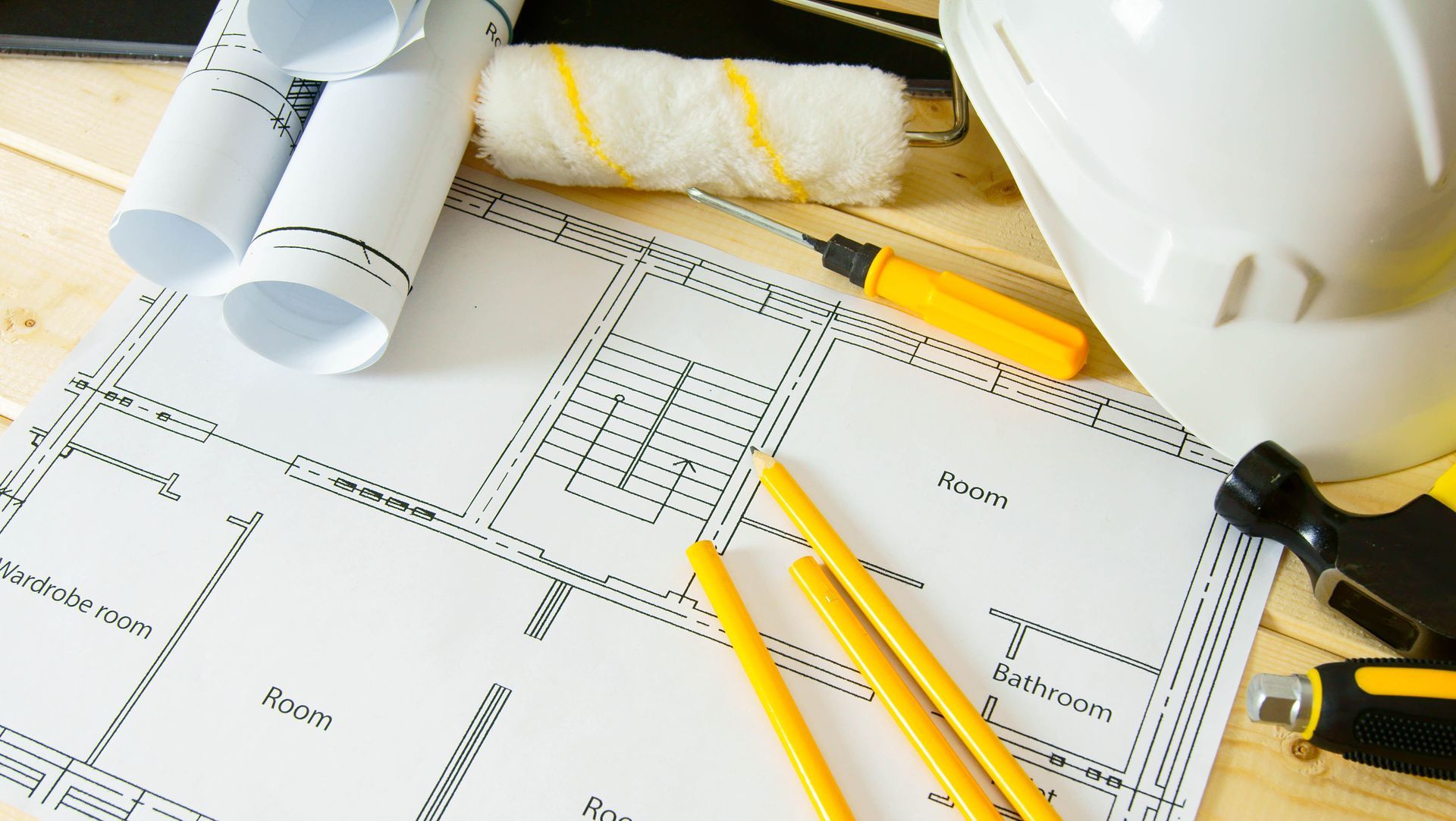
Before reaching out to potential contractors, it's essential to have a clear understanding of the project scope. This includes deciding what you want to achieve and the specific features that are non-negotiable for your project. Clearly defined goals will not only assist in conveying your needs to the general contractor but also ensure they can provide accurate estimates and advice. Take the time to list all tasks, materials, and any specific design preferences. A well-defined project scope acts as the blueprint that aligns your vision with the contractor's execution, ensuring both parties are on the same page from the outset.
Determine Your Budget
Setting a realistic budget is a fundamental part of starting any construction project. Your budget should account for every aspect of the project, including labor, materials, potential permits, and contingencies. According to Eye on Housing, custom home building accounts for approximately 18% of total single-family projects, highlighting the importance of budget planning in a competitive market. Transparency with your general contractor regarding this budget is crucial as it prevents misunderstandings and ensures they align their services accordingly. Be prepared for some flexibility, however, to accommodate unexpected expenses that might arise during the construction process.
Establish Your Timeline
Determining an appropriate timeline is critical for the success of your project. Your timeline should reflect realistic start and completion dates, taking into account any delays due to weather, permit approvals, or other unforeseen factors. Communicating your timeline needs with potential contractors allows them to assess their availability and determine if they can meet your expectations. It's also important to consider the implications on your budget, as faster timelines can sometimes inflate costs. With a clear schedule, you can better coordinate tasks and manage expectations with all parties involved.
Identify Technical Requirements
Each construction project comes with unique technical requirements that need consideration. For instance, ensure your plans comply with local building codes, zoning laws, and environmental restrictions. Identifying these early in the process will prevent costly delays or legal complications. Engaging with specialists such as architects or engineers might be necessary for technical validations and to overcome any complex challenges. By noting these requirements, you can ensure your chosen contractor has the appropriate skills and can handle the technical demands effectively.
Consider Aesthetic Preferences
In addition to the technical aspects, aesthetic preferences play a significant role in the completion of your project. Whether you're aiming for a modern, minimalist look or a traditional style, communicating these preferences to your contractor is paramount. This clarity includes everything from color schemes, materials selection, and overall architectural design. A competent general contractor should be able to provide suggestions that align with your vision while considering the project's functionality. Your contractor's ability to deliver a project that meets both your aesthetic and practical needs is a strong indicator of their suitability for your project.
Researching Potential Contractors
Use Online Resources
The internet is an invaluable tool when researching potential contractors. Online review platforms provide insights into contractors' business practices, customer reviews, and overall reputations. Online forums and social media groups are also great places to share experiences and gather recommendations from others who have undertaken similar projects. Remember to examine contractors' websites for portfolio examples, credentials, and overall company ethos. Utilizing these online resources can create a comprehensive picture of who may best serve your project needs.
Seek Recommendations
Personal recommendations are often the most reliable source of information when choosing a general contractor. Talk to friends, family, or colleagues who have recently completed construction projects similar to yours. They can provide firsthand feedback on their experience, from the quality of work to contractor reliability, which can be crucial insights during your decision-making process. Local real estate agents and builders' associations can also be good resources for reputable contractor recommendations. By compiling these personal recommendations, you're more likely to find a contractor with a proven track record and reputable standing within your community.
Evaluate Experience and Expertise
When researching contractors, it's vital to evaluate their level of experience and areas of expertise. A contractor with extensive experience in projects similar to yours is more likely to deliver satisfactory results. Check to see how many years they have been in business and the types of projects they've completed in the past. Look for any specialized certifications that might indicate advanced skills or expertise. An experienced contractor not only understands potential challenges but also knows how to address them efficiently, preventing issues down the line.
Review Portfolios
Reviewing a contractor's portfolio provides tangible proof of their abilities and the quality of their work. A detailed portfolio should showcase a range of completed projects, illustrating both their versatility and specialization. Look for projects that resemble yours in terms of scope, style, and complexity to get a sense of their capabilities. Pay attention to the details and finishes in their photos as these illustrate the care and precision they apply to their work. By critically evaluating their portfolio, you can set informed expectations for what the contractor can achieve for your project.
Check Licensing
Ensuring that your contractor is fully licensed is crucial for legal and safety reasons. All reputable contractors should hold the necessary licenses required by your state or local government, which confirms they adhere to industry standards and regulations. Verify the validity of these licenses with the issuing agencies to avoid potential legal or financial problems. Hiring a fully licensed and certified contractor minimizes risks and ensures compliance with all necessary building regulations.
Evaluating Contractor Reputation
Speak with Past Clients
Speaking directly with a contractor's past clients offers invaluable insights into their operation and service quality. Past clients can give authentic feedback on what they appreciated about the contractor's service and any challenges they faced. Inquire about the contractor's adherence to the timeline, budget accuracy, quality of workmanship, and overall satisfaction with the final results. Direct conversations allow you to gauge expectations and prepare for potential challenges based on real experiences. This step builds confidence in the contractor's ability to fulfill the requirements of your project effectively.
Assess Responsiveness and Communication
A potential contractor's responsiveness and communication style can significantly impact the project's success. From initial contact through to project completion, they should be prompt and clear in their communication. Watch for red flags such as delays in returning phone calls or vague answers to your questions. Efficient communication ensures both parties understand expectations and helps to resolve any issues quickly. Maintaining an open line of communication is crucial for collaboration and establishing trust throughout the construction process.
Choosing the right general contractor involves thorough research, careful evaluation, and strategic communication. Consider the array of factors discussed, including project scope and contractor reputation. By following these detailed steps, you mitigate risks and select a reliable partner who aligns with your vision for the project. With the right contractor, such as Aycock Builders Inc, your construction project will proceed efficiently, on schedule, and within budget, ultimately meeting your expectations. Reach out to us today to get started with a free estimate!